

La Matanza & Andalusian Pride
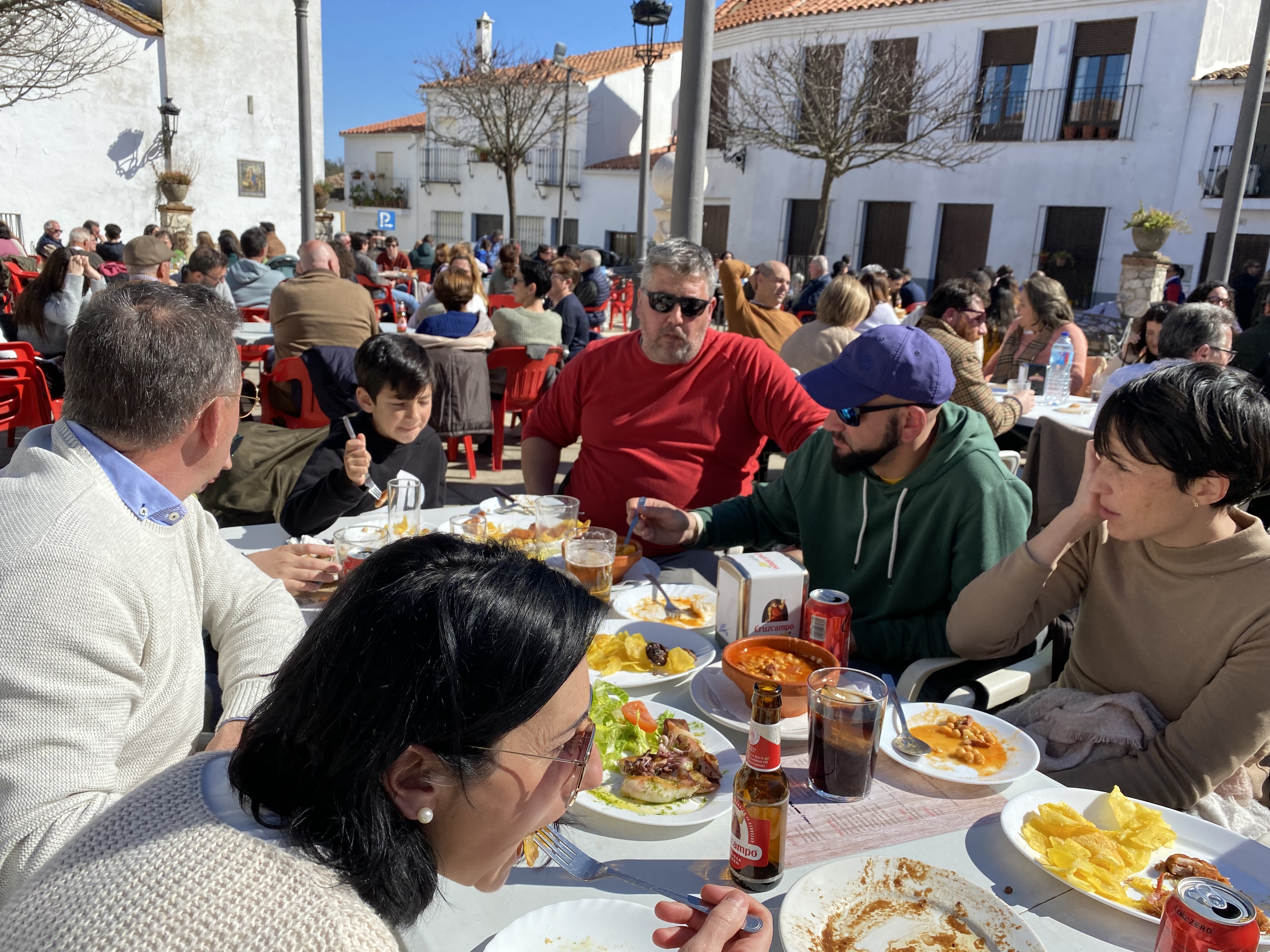
The scent of oak smoke and history: a 28th of February in the sierra
A February morning in the sierra. Cold air, oak smoke, and hands at work in the village square. This isCortelazor la Real — a village of barely 300 souls in the heart of the Sierra de Aracena y Picos de ArocheNatural Park — and 28 February here is so much more than a public holiday.
Why the 28th of February? The story of Andalusia Day
To understand what this day means in the sierra, you need to travel back to 1980. Andalusia had beensearching for its own voice within Spain for centuries. Since the 19th century there were calls for greaterdemocracy and decentralisation, but it was in the 20th century that Andalusian identity began to takepolitical shape — largely thanks to figures like Blas Infante, known as the “Father of the AndalusianHomeland”. He revived the green-and-white flag, designed the regional coat of arms and wrote the anthem — before being executed in 1936.After the death of Franco and the start of Spain’s democratic transition, the Andalusian people refused to be sidelined. On 4 December 1977, around one and a half million Andalusians marched through the eightprovincial capitals demanding autonomy. The largest demonstration Andalusia had ever seen.
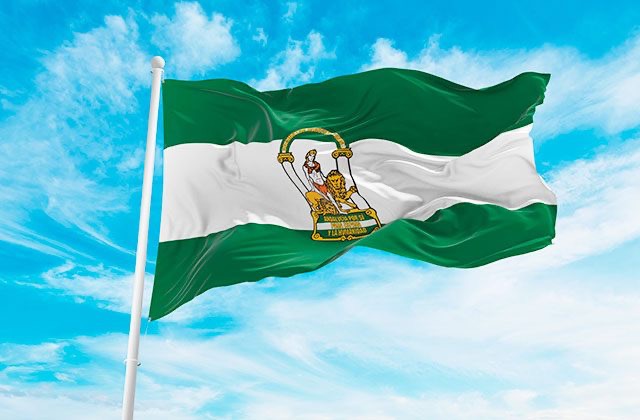
The referendum of 28 February 1980: a victory won the hard way
On 28 February 1980, more than two and a half million Andalusians voted for full autonomy via Article151 of the Constitution. The referendum succeeded in seven of the eight provinces, but Almería fell short of the required threshold. After political negotiations the law was amended, and in October 1981 the Statute of Autonomy was approved. A victory Andalusia won for itself.Ever since, 28 February has been Andalusia Day — and nowhere is it celebrated more authentically than inthe villages of the Sierra de Aracena.
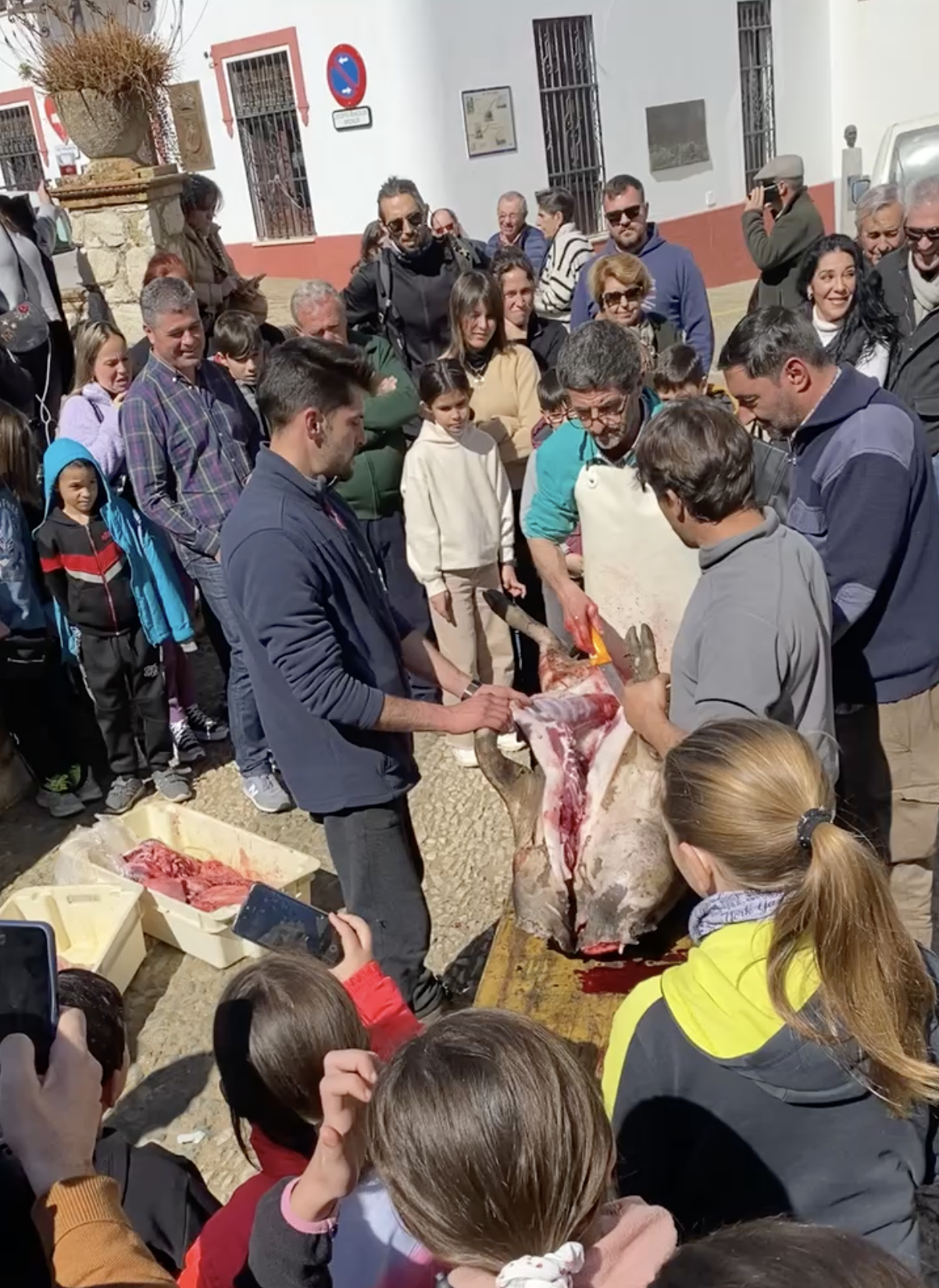
The Matanza of Cortelazor: where tradition becomes a party
And this is where history collides with the smell of paprika and the sound of a knife being sharpened onstone.In Cortelazor la Real, 28 February is inseparable from the traditional Iberian pig slaughter (La Matanzadel Cerdo Ibérico). In the Plaza de Andalucía — you couldn’t make it more symbolic — the whole villagegathers from 1pm around the table. The women of the village, heirs to a knowledge passed down through generations, work with precision and care: chorizo, morcilla (black pudding), spicy white sausage, lomo… Each cut, a ritual. Every sausage, a story.The matanza has its own rules and its own rhythm. First the pig is weighed — between 110 and 160 kilos, still measured in arrobas as it always has been. Then the careful butchering begins, in which nothing iswasted: blood reserved for the morcilla, fat for the lard, offal for the legendary chanfainas — a stew oforgans with vegetables and herbs. The hams and shoulders are set aside whole: their destination is the curing cellar, where time and the air of the dehesa will do the rest.On the grill, fresh cuts of meat spit and sizzle over oak-wood embers. The cocido serrano — a heartymountain stew — steams in the pot, with its inevitable pringá.
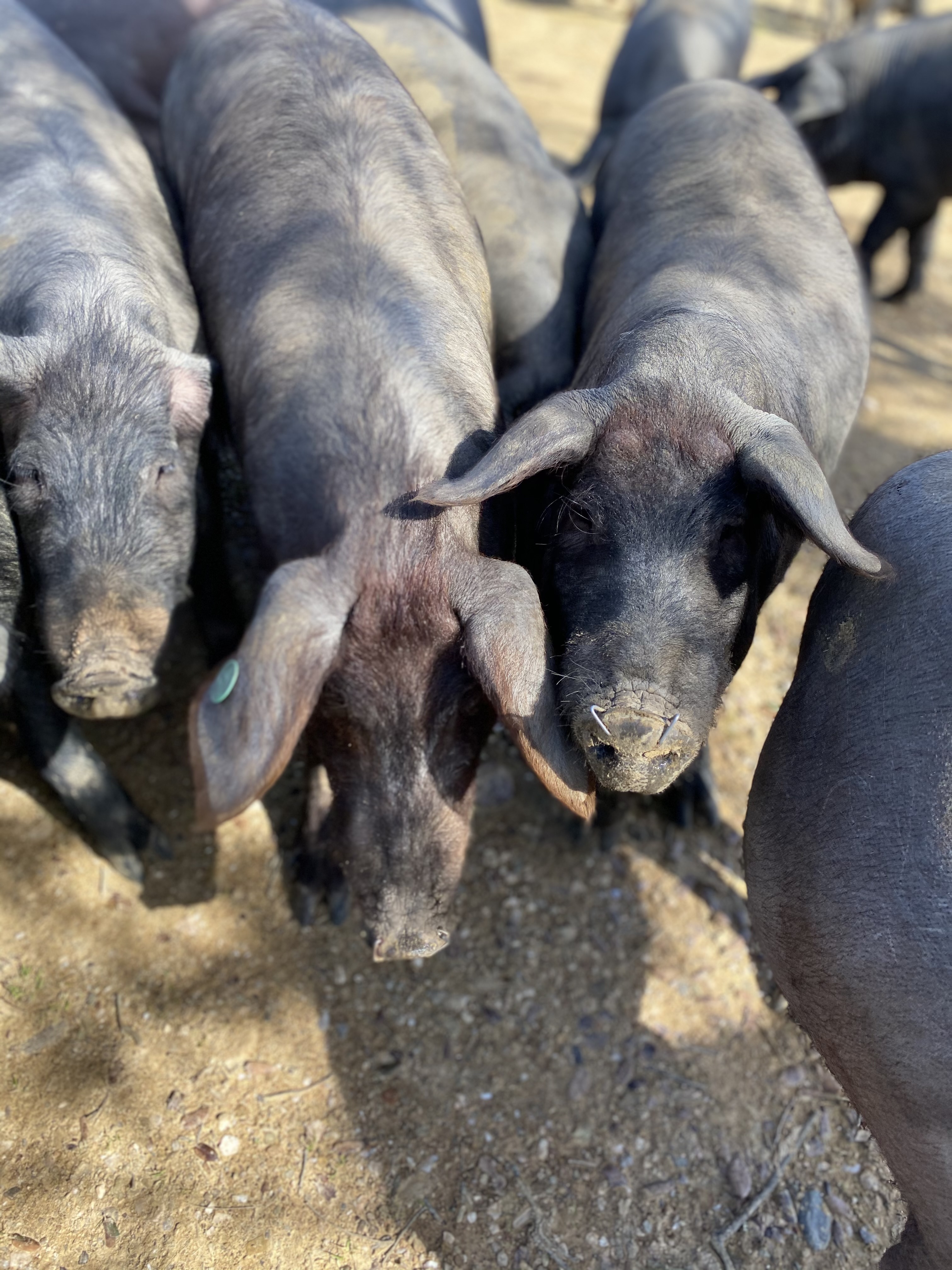
A ritual with centuries of history: the Iberian pig and the dehesa
You can’t understand the matanza without understanding the dehesa. This unique ecosystem — holm oaks, cork oaks, grasslands and black Iberian pigs roaming freely — is the economic, cultural and gastronomic heart of the Sierra de Aracena. The Iberian pig is more than an animal: it is the soul of these villages, the livelihood of generations, the reason Jabugo and its legendary hams exist at all.For centuries, the matanza was above all a necessity. Families who could keep a pig secured their foodsupplies for the winter months: fat for cooking, sausages for the cold, salted meat for leaner times. Over the years, necessity became tradition, and tradition became festival. Today the matanza is still both: an act of collective memory and a celebration of the land.
The debate today: tradition and animal welfare
The world is changing — and so is the matanza. New generations look at these rituals with different eyes:some with nostalgia and pride, others with legitimate questions about animal welfare and sustainability. It’s an honest debate, and one worth having.What is undeniable is that the traditional matanza in the Sierra de Aracena — especially in its festive formas celebrated in Cortelazor — has evolved towards a model that places respect for the animal, localprovenance and artisanal techniques at its heart. The Iberian pigs that take centre stage in these celebrations have grown up in freedom, under oak trees, foraging for acorns. A life worlds apart from intensive pig farming. And you can taste the difference — in flavour, in texture, and in meaning.
How Andalusia celebrates 28F today: from official ceremonies to the village square
Every 28 February, Andalusia dresses in green and white. In the cities: official ceremonies, concerts, flagraising and speeches. But the real magic is in the villages. In the Sierra de Aracena, the day is lived with particular intensity: matanzas in Cortelazor, Linares de la Sierra, Galaroza and Arroyomolinos de León;communal cocidos in village squares; dancing well into the night. A region that doesn’t forget where it came from — and knows exactly where it’s going.
Experience it from Valle del Arroyo: your base in the heart of the sierra
What if this year you experienced 28F from the inside? From Valle del Arroyo Casas Rurales, yourexclusive adults-only retreat in the heart of the Sierra de Aracena, Cortelazor is just around the corner. Here time works differently: breakfasts stretch on, afternoons smell of the countryside, and nights are a spectacle of stars.Valle del Arroyo Casas Rurales is the perfect place for those who want more than a hotel: an authentic,intimate experience in genuine connection with the landscape. Adults only. No noise. With all the flavour of the sierra surrounding you.
Ready to feel Andalusia with all your senses?
28F in the Sierra de Aracena is more than a date in the diary. It’s a day when history, gastronomy, music and Andalusian identity fuse into something you can’t put into words — only experience.Book your stay at Valle del Arroyo Casas Rurales and celebrate Andalusia Day the way it deserves:authentic, unhurried, and bursting with flavour.

 Rural Bed & Breakfast.